10 Mistakes to Avoid When Planning Kitchen Cabinets for a Remodel
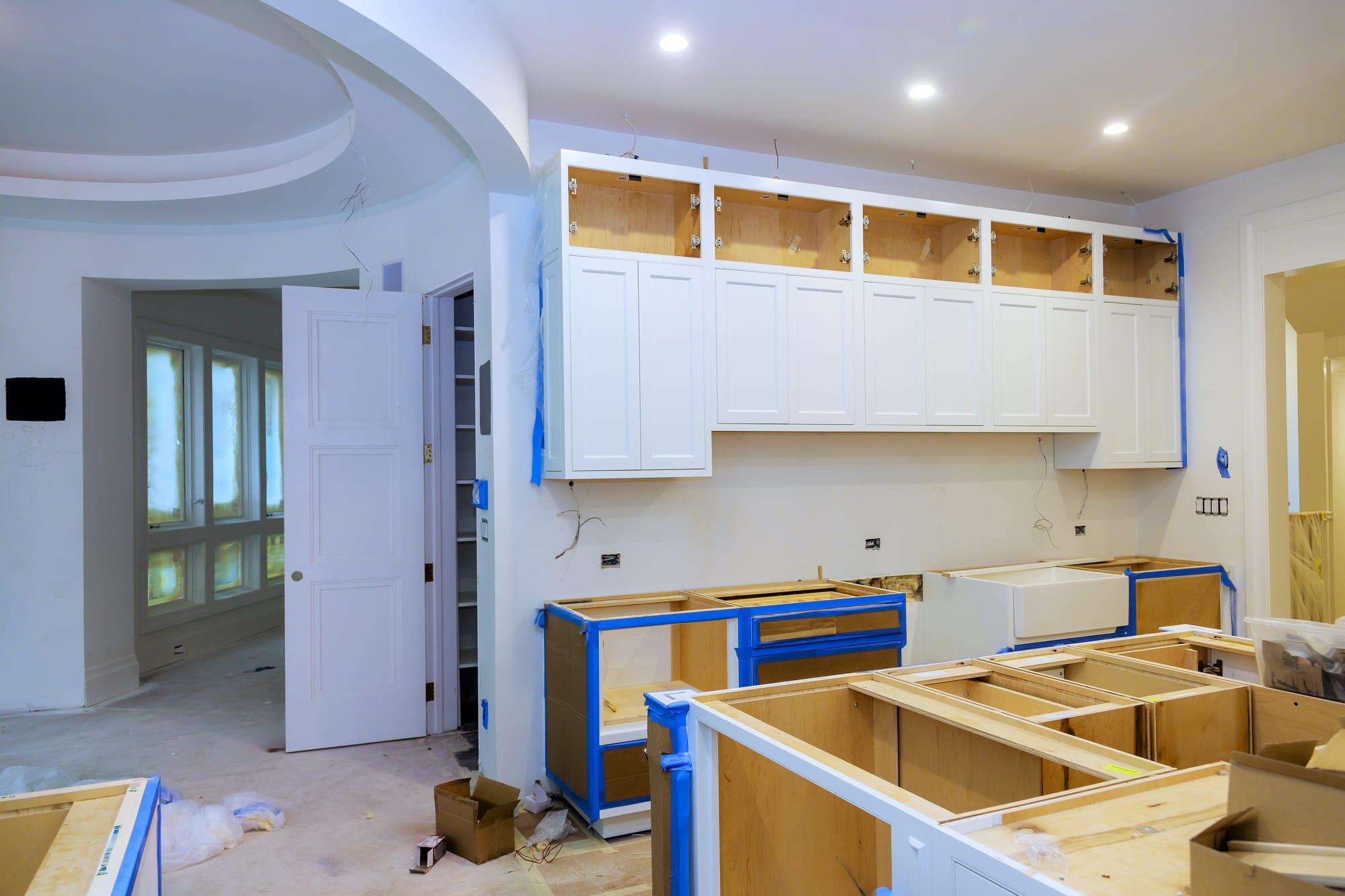
Kitchen cabinets are the backbone of a remodel. They set the layout, define storage, influence lighting and electrical, and determine how comfortable your kitchen feels every day. Because cabinets are also one of the largest line items in a renovation budget, a few planning missteps can lead to expensive change orders, awkward dead space, or a kitchen that looks great in photos but frustrates you in real life.
This article breaks down 10 common mistakes homeowners make when planning kitchen cabinets and, more importantly, how to avoid them. Whether you are working with a designer, a full service cabinet maker, or planning custom architectural millwork details, the goal is the same: design cabinets that fit your room, your routines, and your long term expectations.
1. Measuring too quickly, or measuring the wrong things
Many cabinet issues start before design even begins. Homeowners often measure wall to wall and call it done. The problem is that kitchens are rarely square, walls are rarely straight, and floors are often out of level. Custom and semi custom cabinets can accommodate real world conditions, but only if the design accounts for them from the start.
Getting accurate dimensions is more than capturing the overall length of each wall. You need to document where the room is imperfect and where other trades will require space. If you skip this step, you may end up with filler strips you did not expect, doors that cannot open fully, or trim that looks improvised.
- Measure in multiple spots. Take dimensions at the floor, mid wall, and near the ceiling. Differences tell you whether the walls bow or taper.
- Confirm ceiling height. Note the lowest point, not the average. A ceiling that dips can affect crown molding, tall uppers, and stacked cabinets.
- Locate windows and doors precisely. Measure from two reference points, confirm casing thickness, and note direction of swing.
- Document obstructions. Include vents, radiators, baseboard heaters, bulkheads, soffits, beams, wall plates, smoke detectors, and panel boxes.
- Check floor level. A sloped floor changes how toe kicks line up, how appliances sit, and where countertop seams land.
- Plan for scribing. Countertops, fillers, and end panels often need scribing to uneven walls. That takes room and labor.
A practical approach is to start with professional field measurements once demolition is complete and framing is confirmed. If you are building new or moving walls, re measure after rough framing and again after drywall. Masterpiece Millwork and Cabinetry, as a full service cabinet maker and architectural millwork shop, will typically want verified site conditions before finalizing cabinet dimensions and trim details. That level of precision prevents surprises at installation.
2. Designing cabinets before confirming the layout and clearances
A common mistake is to fall in love with a cabinet style or storage feature before validating that the kitchen layout actually works. Beautiful cabinets cannot fix a cramped aisle, an appliance that blocks a doorway, or a corner that wastes space. Cabinet planning has to start with how people move, cook, unload groceries, and socialize in the room.
Clearances are where many plans fail. In drawings, everything looks like it fits. In reality, doors and drawers occupy space when open, appliance handles project farther than expected, and more than one person needs to pass through the kitchen at a time.
- Respect aisle widths. Many kitchens function best with roughly 42 inches for a one cook kitchen and around 48 inches for two cooks, depending on the home and traffic.
- Check door and drawer conflicts. Make sure adjacent doors can open at the same time, especially at corners and near appliance doors.
- Plan landing zones. You need counter space next to the cooktop, sink, oven, and refrigerator for safe, efficient use.
- Mind corners. Blind corners and lazy Susan corners require specific cabinet sizes and can impact adjacent drawer stacks.
- Consider seating and circulation. If you have an island with stools, confirm walkway clearance behind seated guests.
Also consider how the kitchen connects to nearby rooms. A common regret is placing tall pantry cabinets right where they visually block a dining room or cut off light from a window. A strong cabinet plan balances storage with openness and sightlines.
3. Ignoring workflow, and focusing only on appearance
It is easy to get pulled into door styles, paint colors, and hardware finishes, then treat function as an afterthought. But kitchens succeed or fail based on the daily sequence of tasks: unpacking groceries, washing produce, prepping, cooking, serving, and cleaning up. When workflow is not considered, cabinets may look symmetrical yet place items far from where you need them.
A workflow focused cabinet plan begins with zones. Instead of asking, “Where do cabinets fit?” ask, “Where should each task happen, and what storage supports it?” This mindset prevents cabinets that are technically abundant but practically inconvenient.
- Cooking zone. Store pots, pans, utensils, oils, and spices near the cooktop. Deep drawers usually beat base cabinets with shelves for this purpose.
- Prep zone. Place knives, cutting boards, mixing bowls, and small appliances near the primary prep counter.
- Clean up zone. Put trash, recycling, and dish storage near the sink and dishwasher. Consider a pull out trash cabinet and a dedicated place for detergents and sponges.
- Food storage zone. Group pantry storage close to the refrigerator. If your fridge is across the room from the pantry, you will feel it every day.
- Serving zone. If you host often, include a staging area and storage for platters, beverage glasses, and linens.
When workflow drives cabinet planning, you also avoid visual choices that sabotage function. For example, a symmetrical bank of doors may prevent you from using wide drawers where they are most effective, or place a tall cabinet where it blocks a comfortable prep run. A designer or cabinet maker can still achieve symmetry and style, but as the result of a functional plan rather than a constraint that creates daily friction.
4. Underestimating storage needs, and not designing for real items
Many homeowners plan storage in abstract terms: “We need more cabinets.” The better question is what you are storing and how you want to access it. Without that inventory, remodels often end with brand new cabinets that still cannot comfortably hold sheet pans, small appliances, pet food, recycling bins, or bulky serving pieces.
Storage planning should be item specific. Measure the height of your stand mixer. Count how many baking sheets, cutting boards, and large pots you own. Think about countertop clutter you want to eliminate, like coffee gear or charging stations. Then select cabinet types and interior fittings that match those items.
- Choose drawers for heavy and frequent use items. Deep drawers are typically more ergonomic than base shelves for pots, pans, and dishes.
- Plan vertical storage. Tray dividers for sheet pans and cutting boards prevent piles that topple.
- Use full height pantry solutions. A tall pantry with roll outs can outperform multiple small uppers for food storage.
- Include dedicated spaces. Think broom storage, step stool storage, pet feeding storage, and a landing spot for mail.
- Design around waste management. A pull out trash and recycling cabinet is often worth the investment for daily convenience.
Also watch for “false storage.” This is cabinet square footage that looks useful on paper but is hard to access, like a deep corner behind a blind cabinet, or an upper cabinet above a refrigerator that is too high for everyday use. A strong plan puts prime storage in easy reach and reserves high or awkward spaces for seasonal items.
5. Choosing cabinet construction and finishes that do not match your lifestyle
Cabinet design is not just about looks. Construction methods, door materials, and finishes determine how the cabinets hold up to moisture, heat, cleaning products, sunlight, kids, and pets. A mismatch between lifestyle and materials shows up as peeling finishes, warped panels, swollen edges, or doors that drift out of alignment.
Homeowners sometimes choose a finish based on a sample that looks perfect under showroom lighting. Then, the kitchen environment tests it. For example, a bright white painted finish near a frequently used cooktop can show grime faster. A high gloss finish can show fingerprints. A delicate stain can fade if the kitchen gets strong direct sun.
- Ask about substrate and joinery. Solid wood frames, plywood boxes, and durable joinery are long term investments. Understand what is being used and why.
- Understand paint and topcoat systems. Professional finishing processes can differ widely, especially for painted cabinets. Ask how durability is achieved.
- Consider moisture zones. The sink base, dishwasher area, and trash pull out area take the most abuse. Add protective details where needed.
- Match the sheen to your household. Matte and satin finishes can hide minor wear better than very glossy surfaces.
- Think about maintenance. Some woods and stains are more forgiving than others. Choose what you can realistically maintain.
There is no one “best” construction for every home. The right choice depends on budget, expectations, and how hard the kitchen will be used. A cabinet maker can guide you toward a combination of materials and finishes that fit both your style and your long term needs, especially when the project includes architectural millwork elements like integrated panels, furniture style ends, and built ins.
6. Not planning appliances and utilities early enough
Appliances drive cabinet dimensions and clearances. Yet many remodels treat appliance selection as something to finalize later. This leads to last minute cabinet revisions, awkward filler gaps, or, worst case, appliances that do not fit as intended. Even if you do not have exact model numbers yet, you should decide key appliance categories and sizes before cabinet plans are finalized.
Utility rough ins are tied to appliance placement. Plumbing, electrical, gas, and venting requirements can dictate cabinet type and location. A beautiful drawer stack is useless if the plumbing trap occupies the drawer space. A tall pantry is not possible if it conflicts with a vent chase. Avoiding this mistake means coordinating a cabinet plan with a realistic utility plan early.
- Confirm refrigerator width, depth, and door swing. Counter depth refrigerators still vary. Account for handles and door clearance at walls.
- Plan for dishwasher clearance. Make sure the dishwasher door can open without blocking a main walkway, and confirm the location of plumbing connections.
- Decide on range or cooktop plus wall oven. This choice changes base cabinet layouts, venting needs, and landing zones.
- Locate the hood and ducting path. Vent hoods require clearances and may need a chase or soffit. Duct routes can affect upper cabinets.
- Include specialty appliances. Microwave drawers, beverage fridges, ice makers, and warming drawers each need specific openings and power.
- Do not forget water lines. Refrigerator water, pot fillers, and filtered water dispensers all require planning.
Whenever possible, provide appliance specification sheets to your cabinet maker and contractor. Custom cabinetry is far easier to build correctly when the team has precise cut sheets, clearances, and installation instructions.
7. Skipping a lighting and electrical plan that coordinates with cabinets
Cabinets and lighting are inseparable. Under cabinet lighting, toe kick lighting, interior cabinet lighting, and task lighting all depend on cabinet selection and electrical planning. A frequent mistake is to plan the cabinets, then later realize there is no place for transformers, wiring routes, or switched control zones. Another common problem is not having enough outlets because the cabinet plan reduced usable backsplash wall area.
Lighting also affects how your cabinet finish looks. A warm light can make a white cabinet look creamy. A cool light can make wood tones look flat. If you choose cabinet colors without considering lighting temperature and placement, you can end up disappointed even with high quality cabinetry.
- Plan under cabinet lighting early. Decide tape lighting versus puck lights, and confirm access for wiring and drivers.
- Coordinate outlet locations. Islands often need outlets on the sides. Backsplashes with doors or windows need careful outlet planning.
- Add task lighting where you work. Islands and sink areas need direct, shadow free light.
- Consider interior cabinet lighting. Glass door cabinets and pantry cabinets can benefit from lighting, but wiring must be planned.
- Choose control zones. Separate ambient, task, and accent lighting so the kitchen can adapt to cooking, cleaning, and entertaining.
If your remodel includes architectural millwork elements like ceiling beams, integrated hood surrounds, or built in banquette seating, lighting becomes even more important. Those features add visual layers that lighting can highlight. Coordinating the cabinet plan with electrical and lighting design prevents surface mounted cords, visible puck light wires, or last minute compromises.
8. Treating hardware and interior accessories as an afterthought
Cabinet hardware and accessories are often discussed late in the process, sometimes when the budget already feels stretched. The mistake is assuming all hinges, slides, and pull outs are basically the same. They are not. Hardware quality determines how the kitchen feels every time you open a drawer, how long it stays aligned, and how well it handles heavy loads.
Accessories also affect cabinet sizing. A pull out spice rack needs a certain width. A tray divider needs a certain height. A drawer microwave requires specific ventilation and support. If you wait too long, you may not have the right openings built into the cabinets.
- Prioritize soft close hinges and slides. They reduce wear and improve daily experience. Confirm weight ratings for wide drawers.
- Use roll outs strategically. Roll out trays can improve access in base cabinets and pantries, especially for heavier goods.
- Add organizers where they matter most. Cutlery dividers, utensil inserts, and tray dividers prevent clutter from returning.
- Plan for corner solutions. If you are using a blind corner, consider pull outs designed for that cabinet type.
- Choose knobs and pulls with comfort in mind. Test samples for grip, sharp edges, and scale relative to door size.
- Match finishes across the kitchen. Coordinate faucet, lighting, and appliance hardware so the kitchen feels intentional.
A smart way to control cost is to invest in high performance hardware in the highest use areas, like wide pot drawers, trash pull outs, and pantry pull outs. In lower use areas, you may be able to simplify. Discuss these priorities with your cabinet maker so the design supports your choices instead of forcing expensive last minute changes.
9. Overlooking trim, fillers, panels, and architectural millwork details
Homeowners often budget for “cabinets and countertops” but forget the supporting details that make cabinets look built in. Fillers, end panels, light rails, toe kicks, crown molding, and appliance panels can add both cost and value. If they are not planned from the beginning, you may end up with visible gaps, exposed cabinet sides, or a kitchen that looks like boxes placed in a room rather than cabinetry tailored to the home.
Architectural millwork details are especially important if your goal is a custom look. For example, a refrigerator often needs panels, fillers for door swing, and sometimes a finished top or side treatment. Islands frequently look better with furniture style ends, legs, or applied panels. These details require planning and proper allowances.
- Account for fillers. Fillers are used at walls, between cabinets and appliances, and near corners for door and drawer clearance.
- Plan finished ends and panels. Exposed cabinet sides usually need finished end panels or decorative treatments, especially on islands.
- Decide on crown and light rail. Crown molding can elevate the room, but it must be sized for ceiling height and cabinet height.
- Clarify the toe kick approach. Continuous toe kicks can look seamless, but require coordination with flooring and leveling.
- Integrate the hood surround. A custom hood cover or integrated millwork feature should align with cabinet proportions.
- Think through appliance panels. Paneled dishwashers and refrigerators require specific hardware, clearances, and panel thickness.
This is where working with a shop that understands both cabinetry and architectural millwork pays off. Details like scribed fillers, integrated refrigerator surrounds, or built in banquettes can make the kitchen feel like it belongs to the house. They also need accurate planning so the end result looks intentional rather than patched together.
10. Underestimating installation realities, timeline, and site coordination
Even a perfect cabinet design can fail if installation planning is weak. Cabinets are precision products installed into imperfect rooms during a busy construction schedule. If you do not coordinate with your contractor on sequencing and site readiness, you can end up with damaged cabinets, delayed countertop templating, or visible gaps that could have been avoided.
One common mistake is not clarifying when flooring will be installed relative to cabinets. In some remodels, flooring runs under the cabinets. In others, flooring stops at the toe kick. Both approaches can work, but the decision affects finished heights, appliance fit, and future floor replacement. Another mistake is not ensuring walls are ready, meaning plumb, reasonably flat, and painted where appropriate before cabinets arrive.
- Confirm the build and delivery schedule. Custom cabinets require lead time. Order early enough to match your remodel timeline.
- Coordinate with flooring decisions. Decide whether floors go under cabinets, and confirm finished floor height before final cabinet dimensions.
- Prepare the room. Walls should be finished, floors protected, and utilities roughed in per plan.
- Plan for countertop templating. Countertops are typically templated after base cabinets are installed and leveled.
- Expect adjustments. Scribing, leveling, and fine tuning doors and drawers are normal steps, build time for them into the schedule.
- Do a punch list. Walk the kitchen after installation, note adjustments, and confirm hardware and accessories are installed correctly.
Installation is also a good time to think about long term serviceability. For example, make sure shutoff valves remain accessible and that panels are removable if they cover key utility areas. Thoughtful planning here prevents headaches years later.
Putting it all together, a planning checklist before you sign off on cabinet drawings
Before you approve cabinet plans, take a final pass using a practical checklist. This helps catch issues that are easy to fix on paper but expensive to fix after the cabinets are built.
- Measurements: Verified after demo and after drywall, with notes for out of square walls, ceiling dips, and floor slope.
- Layout: Walkways, seating clearance, appliance doors, and drawer conflicts checked.
- Workflow: Zones planned for cooking, prep, clean up, food storage, and serving.
- Storage: Drawer sizes, pantry strategy, tray storage, small appliance storage, trash and recycling built in.
- Appliances: Model numbers or confirmed sizes, panel readiness, ventilation path, and door swing clearances.
- Utilities: Plumbing, electrical, gas, and HVAC coordinated with cabinet types and locations.
- Lighting: Under cabinet and accent lighting planned, driver locations identified, switching zones set.
- Hardware: Hinge and slide quality confirmed, accessory pull outs selected, knobs and pulls sized and tested.
- Trim and millwork: Fillers, scribe panels, finished ends, crown, light rail, refrigerator surround, hood design confirmed.
- Installation: Flooring sequence, wall readiness, delivery logistics, protection plan, and timeline integrated into the remodel schedule.
Conclusion
Planning kitchen cabinets is both design and engineering. The best results come from balancing aesthetics with accurate measurement, realistic circulation, carefully considered storage, and thorough coordination with appliances, utilities, lighting, and installation sequencing. Avoiding these 10 mistakes prevents costly revisions, improves daily comfort, and helps ensure your remodel feels cohesive and custom when complete.
If you want a kitchen that looks intentional, functions smoothly, and includes the finishing touches that make cabinetry feel built in, work closely with a team that can handle both cabinetry and architectural millwork. Masterpiece Millwork and Cabinetry is a full service cabinet maker and architectural millwork shop, and the same principles in this guide can help you ask better questions, review drawings confidently, and set your project up for success.